SelarCreatorSummit
Leading the execution of an 18,000-registration virtual creator summit.
- Role
- Project Lead · Content & Speaker Management
- Scope
- Project Management · Speaker Management · Content · Social Media · Panel Hosting
- Tools
- Google Suite · Trello · StreamYard · Canva · iMessage
At a glance
The brief
Selar is an e-commerce platform serving the African creator economy. In 2023, the team was preparing the second edition of its Digital Creator Summit: a two-day virtual event bringing together creators, entrepreneurs and industry experts across Africa and beyond. The ambition was substantial: 21 speakers, multiple brand partners, two full days of programming, thousands of attendees.
I was brought on as Project Lead, working under the supervision of Selar's CMO, Milton Tutu. My responsibility was to take the summit from planning document to execution — coordinating timelines, speakers, content, communications and the live event itself.
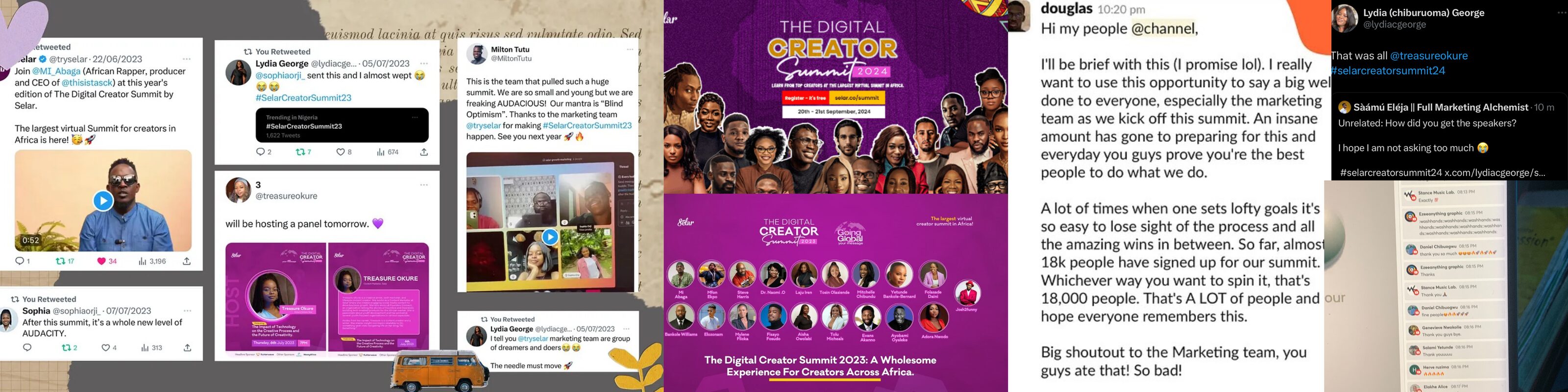
The result was the summit's biggest edition yet: 18,000+ registrations.
Project leadership
A large event requires amazing coordination. There are dozens of dependencies to be handled at the right time: speakers need to be confirmed, assets need to be created, sessions need to be scheduled, communications should go out, and technical details need to be tested.
I owned the project timeline and tracked these moving parts using Trello and Google Docs, while StreamYard powered the live event. My job wasn't necessarily to do every piece of the work myself. It was to make sure that every piece had an owner, a deadline and a path to completion. That meant constantly moving between planning and problem-solving as new information came in. The project required a small team to execute something significantly larger than the team itself. And it worked.
Getting 21 speakers across the line
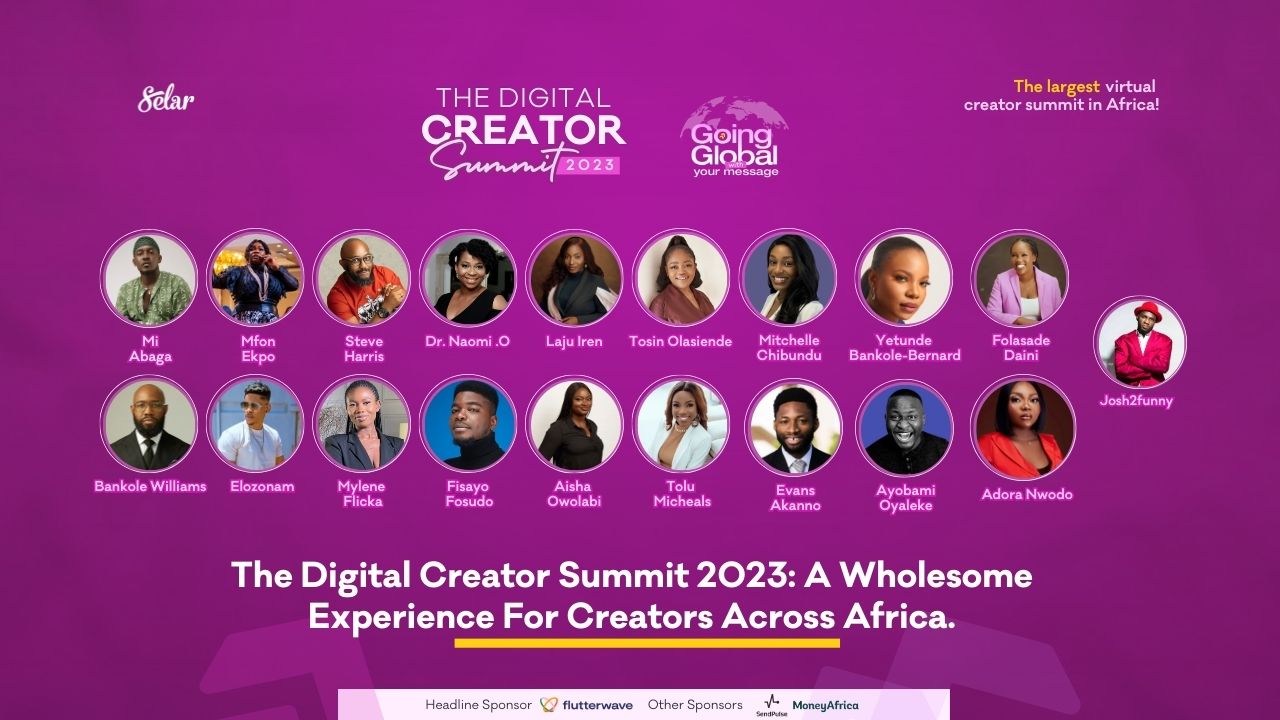
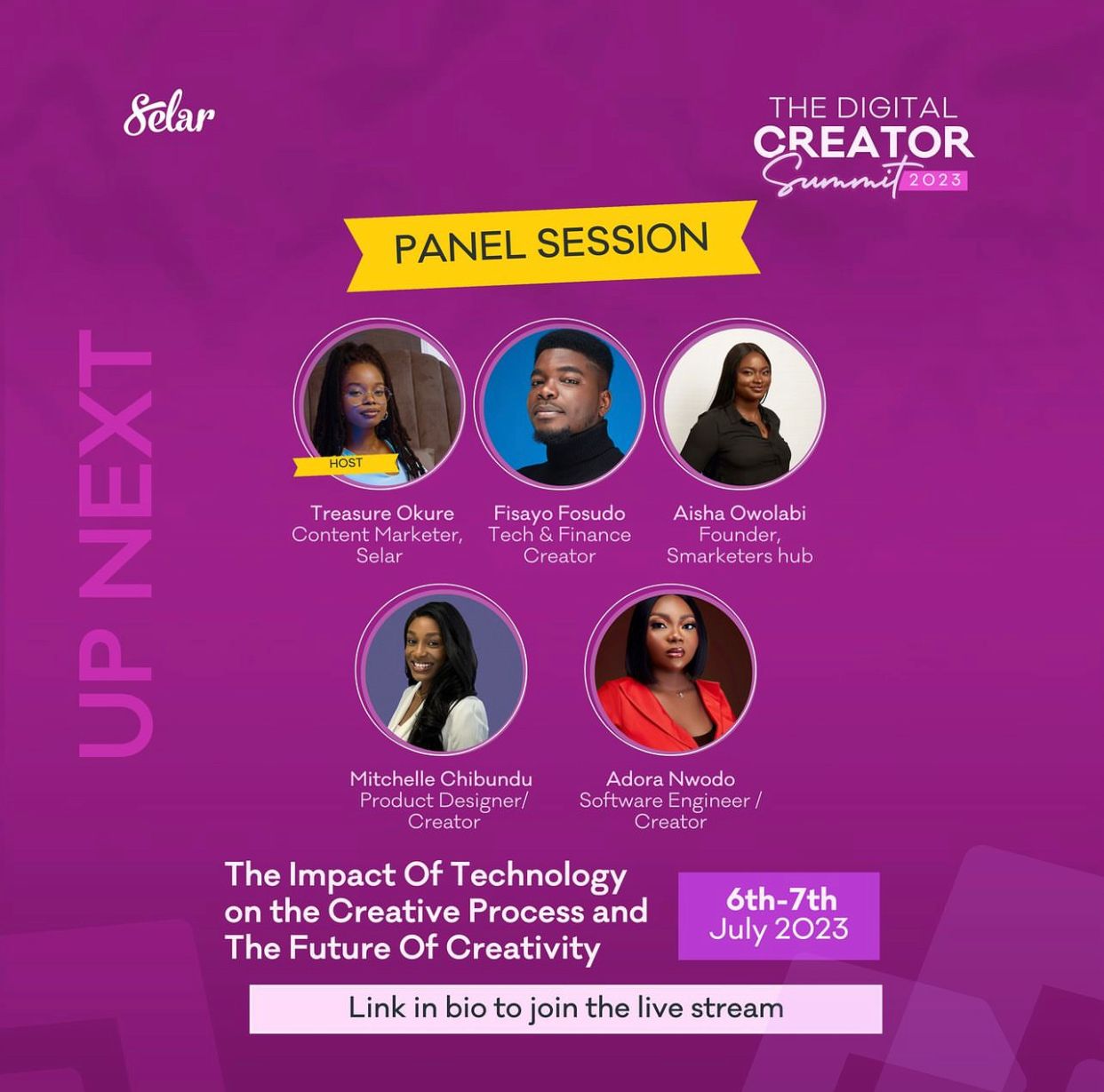
One of the biggest pieces of the project was speaker management. We needed 21 speakers across media, entertainment, branding and technology, including MI Abaga, Josh2Funny and Steve Harris; Nigeria's top tech and finance content creator Fisayo Fosudo; international content marketing expert Aisha Owolabi; product designer Mitchelle Chibundu (DesignerBabe); and engineering leader Adora Nwodo.
My role covered planning sessions, pitching, speaker outreach, follow-ups and confirmations, scheduling, information and briefing.
The challenge wasn't simply getting people to say yes. It was keeping 21 busy people aligned to one programme and one timeline. That required persistence, organisation and a lot of careful communication.
By event day, all 21 speakers were confirmed and accounted for.
Making a virtual event feel like an event
A virtual summit has an obvious problem: the audience is sitting alone in front of a screen. So the content experience mattered.
I supported the content and social operation by:
- Designing promotional assets
- Publishing across Twitter and LinkedIn
- Live-tweeting throughout both days
- Capturing and sharing key insights in real time
- Filming session intros and outros
The goal was to make the summit feel like an experience, rather than eight hours of people appearing in Zoom-like boxes. The intros, transitions and live editorial coverage gave the audience something to follow between sessions and helped create the feeling that something was happening with them, rather than simply being broadcast at them.
Hosting the conversation
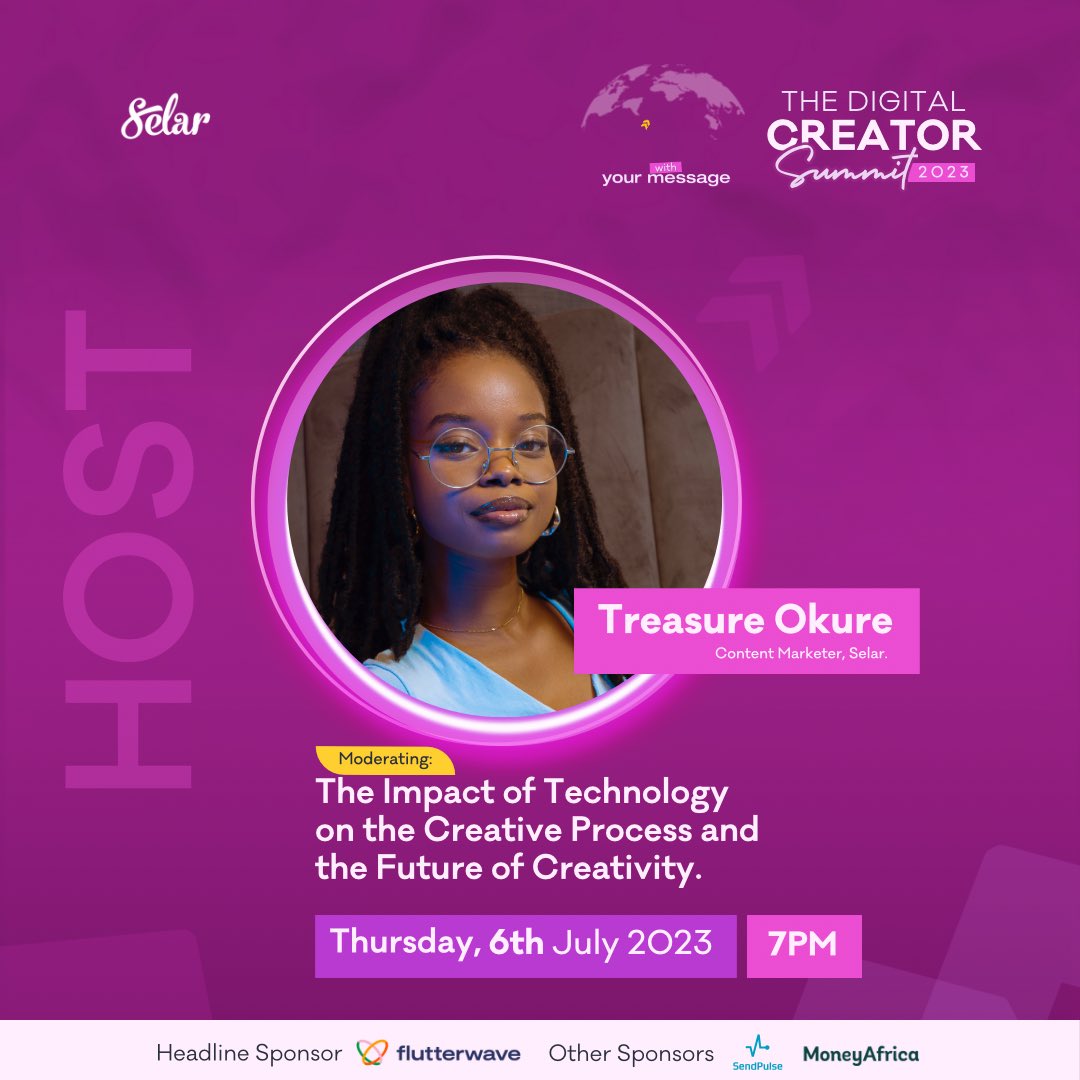
I also hosted a panel on The Impact of Technology on the Creative Process and the Future of Creativity, with Fisayo Fosudo, Aisha Owolabi, Mitchelle Chibundu and Adora Nwodo.
This was another useful part of the project because it required me to move from behind-the-scenes execution to on-stage communication. Good moderation requires more than preparing questions. You have to understand enough about the subject to know which questions are worth asking, listen closely enough to identify useful threads, and be flexible enough to change direction when the conversation calls for it.
It was a different kind of project-management skill: managing the room rather than the spreadsheet.
Feedback
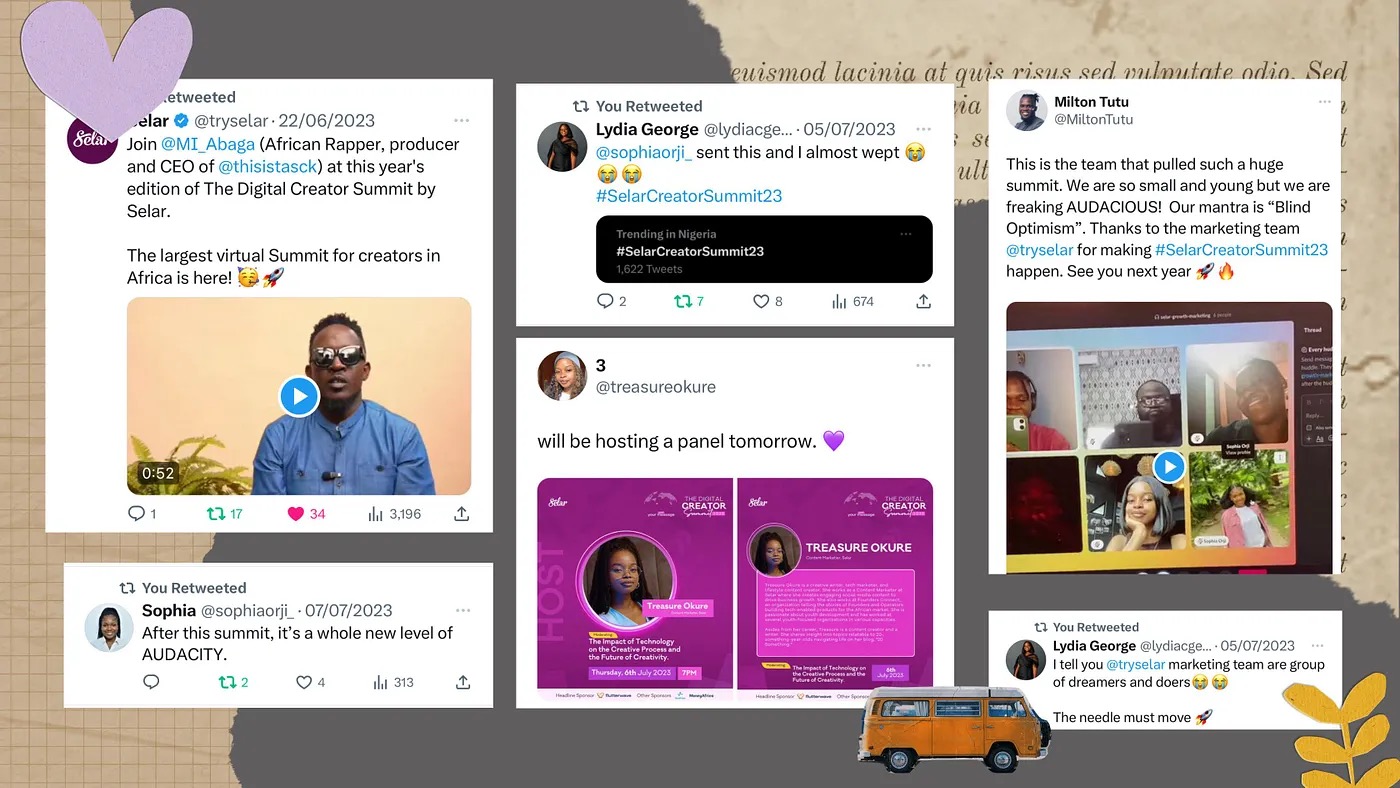
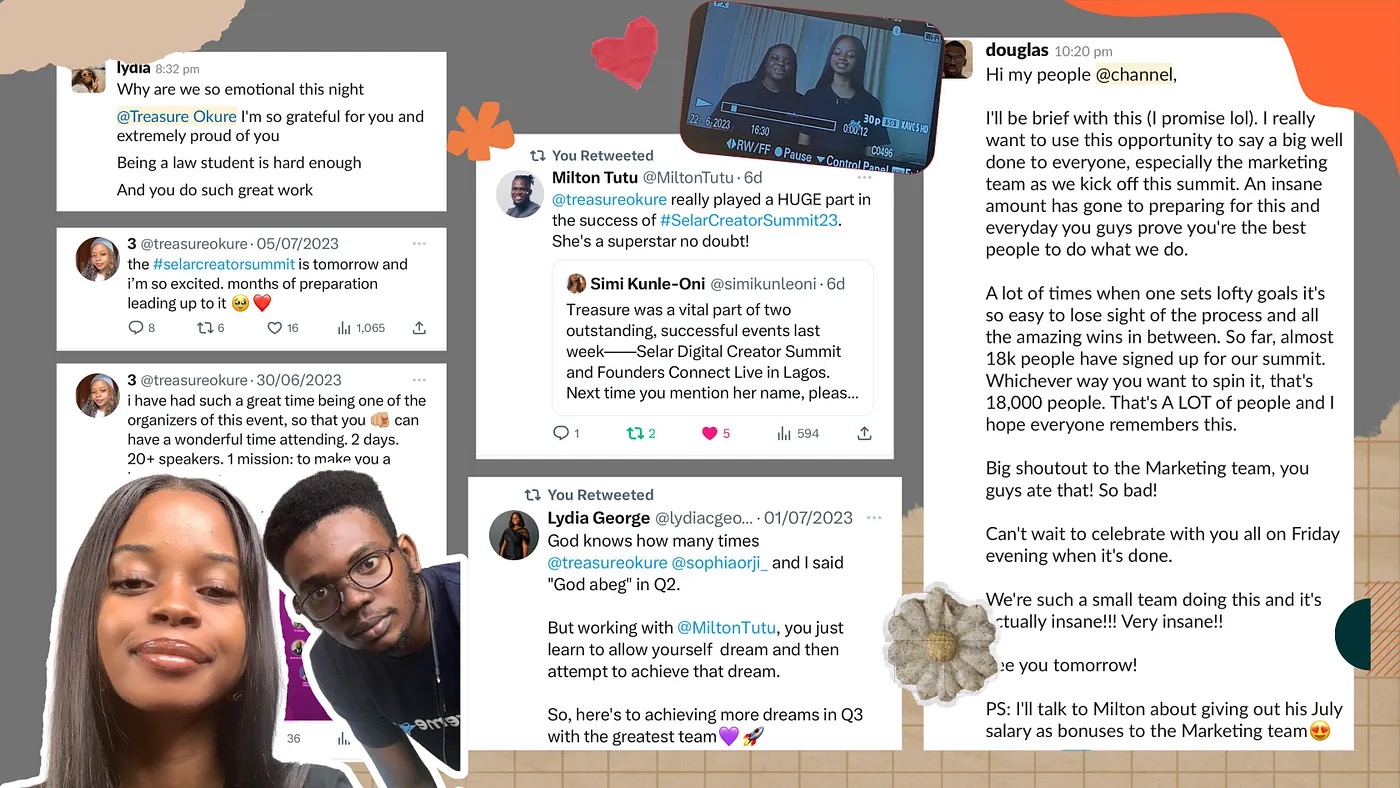
Some of what the team and the wider ecosystem said afterwards:
What I learned
The Selar Creator Summit taught me the difference between planning and execution. Plans are neat, but the reality of handling projects often isn't. People change their minds, speakers respond late, things break, priorities move. The job is to keep the machine moving without allowing the audience to experience the chaos behind it.
This project taught me that a small team can execute something ambitious when everyone understands the goal, knows what they own and moves with it.
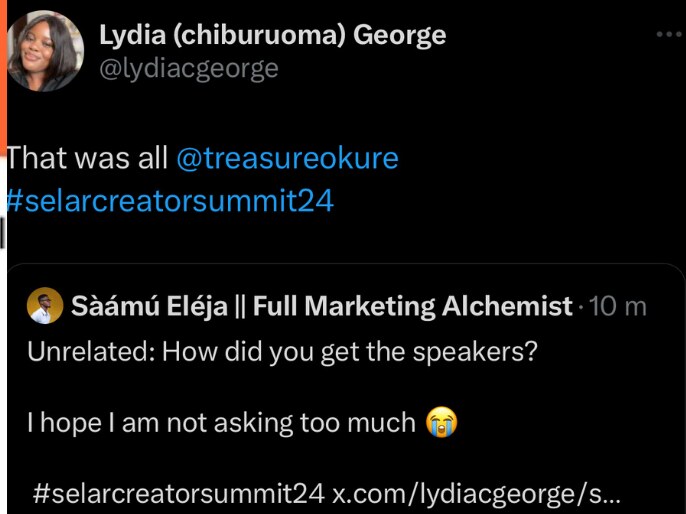
I also learned something about audacity — specifically, that it is a skill you develop by doing things that feel slightly too big for you and discovering, on the other side, that you were big enough after all. The summit felt slightly too big when we started. We did it anyway. And 18,000 people registered. The next year, we did it again and 15,000 people registered, totalling 33,000 registrations across Africa, in two editions.